Our Services

Cable Fault Location
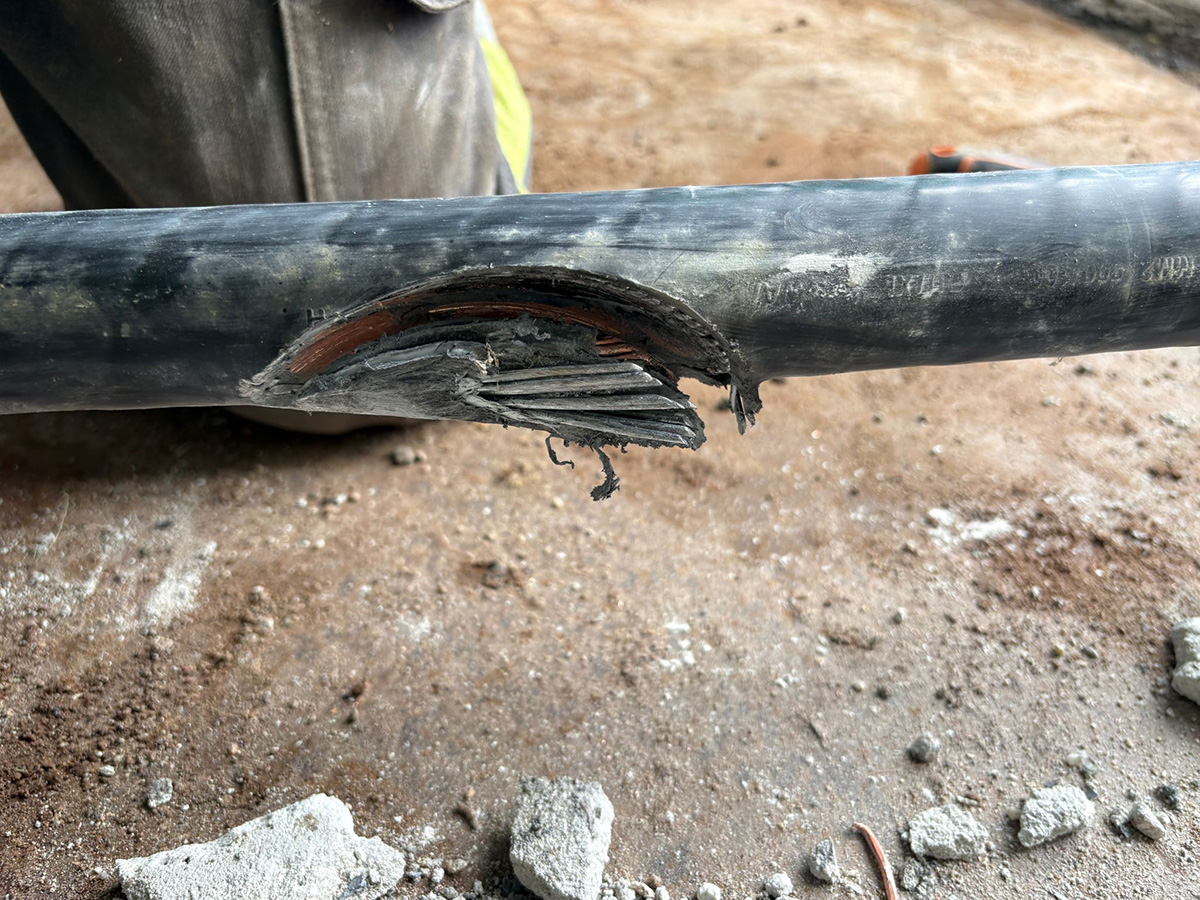
High Voltage Power Services (HVPS) carry out High Voltage & Low Voltage cable fault location when the need arise in identifying the exact point of failure in underground or buried power cables. Because HV cables are expensive and often difficult to access, accurate fault location minimizes repair time and service interruption.
1. Common Types of HV Cable Faults
1. Open Circuit Fault
- Break in conductor
- No current flow
2. Short Circuit Fault
- Conductor-to-conductor fault
- Very low resistance
3. Earth (Ground) Fault
- Conductor-to-ground insulation failure
4. High-Resistance Fault
5. Sheath Fault
- Damage to metallic sheath
- Moisture ingress
2. General Fault Location Procedure
HV fault location is typically done in three stages depending on the type and nature of the fault.
Step 1: Fault Detection
Confirm that a fault exists using:
- Insulation Resistance (IR) test (Megger)
- Continuity test
- Sheath test
Step 2: Fault Pre-Location (Distance Estimation)
This determines how far the fault is from the test point.
A. Time Domain Reflectometry (TDR)
- Sends a low-voltage pulse into the cable.
- Measures reflection time from fault.
- Calculates distance.
Best for open circuits and low resistance faults
B. Murray Loop Test
- Uses Wheatstone bridge principle.
- Requires healthy parallel core.
- Good for earth faults.
C. Varley Loop Test
- Modification of Murray loop.
- Better for high resistance faults.
D. Impulse Current Method (ICM)
- Used for high resistance faults.
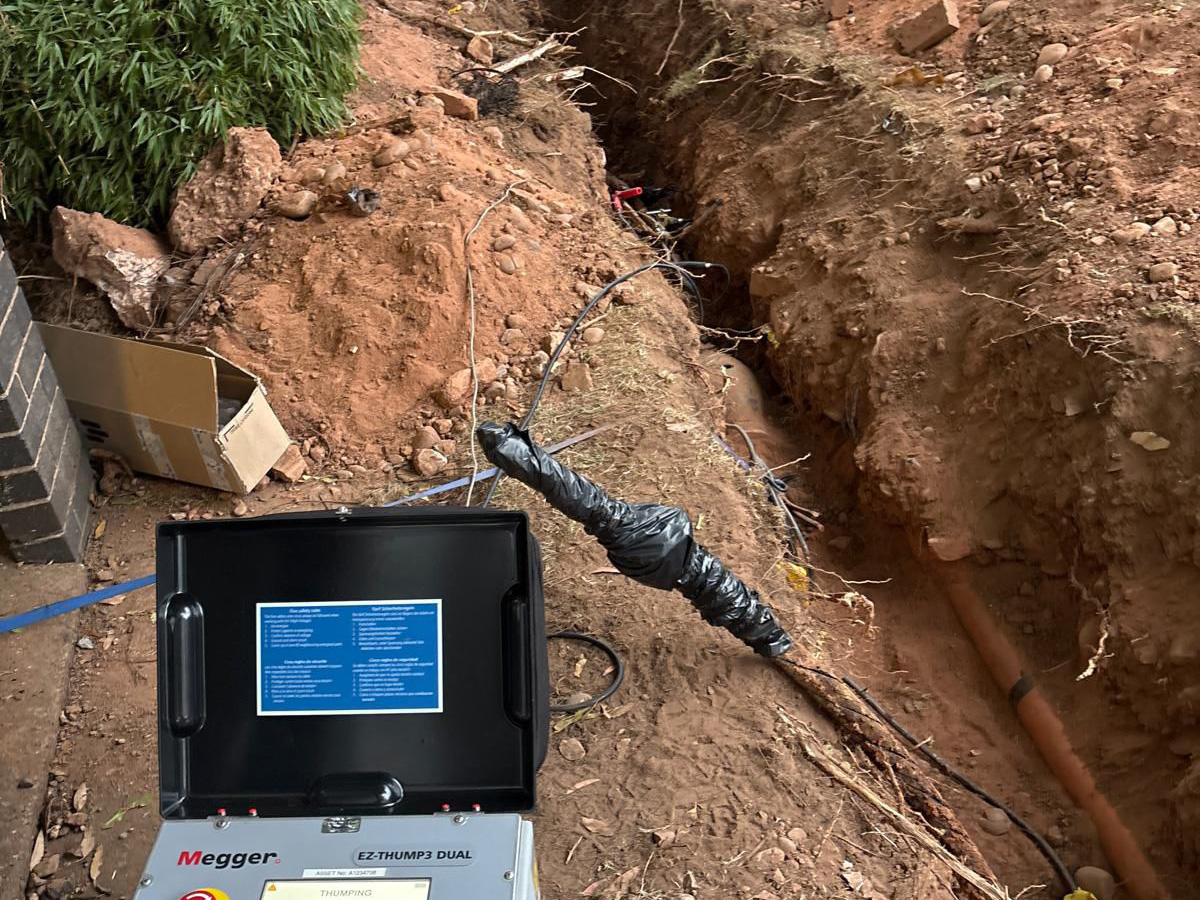
- Often combined with surge generator (“thumper”).
Step 3. Fault Pinpointing (Exact Location on Site) After pre-location, exact spot is found using:
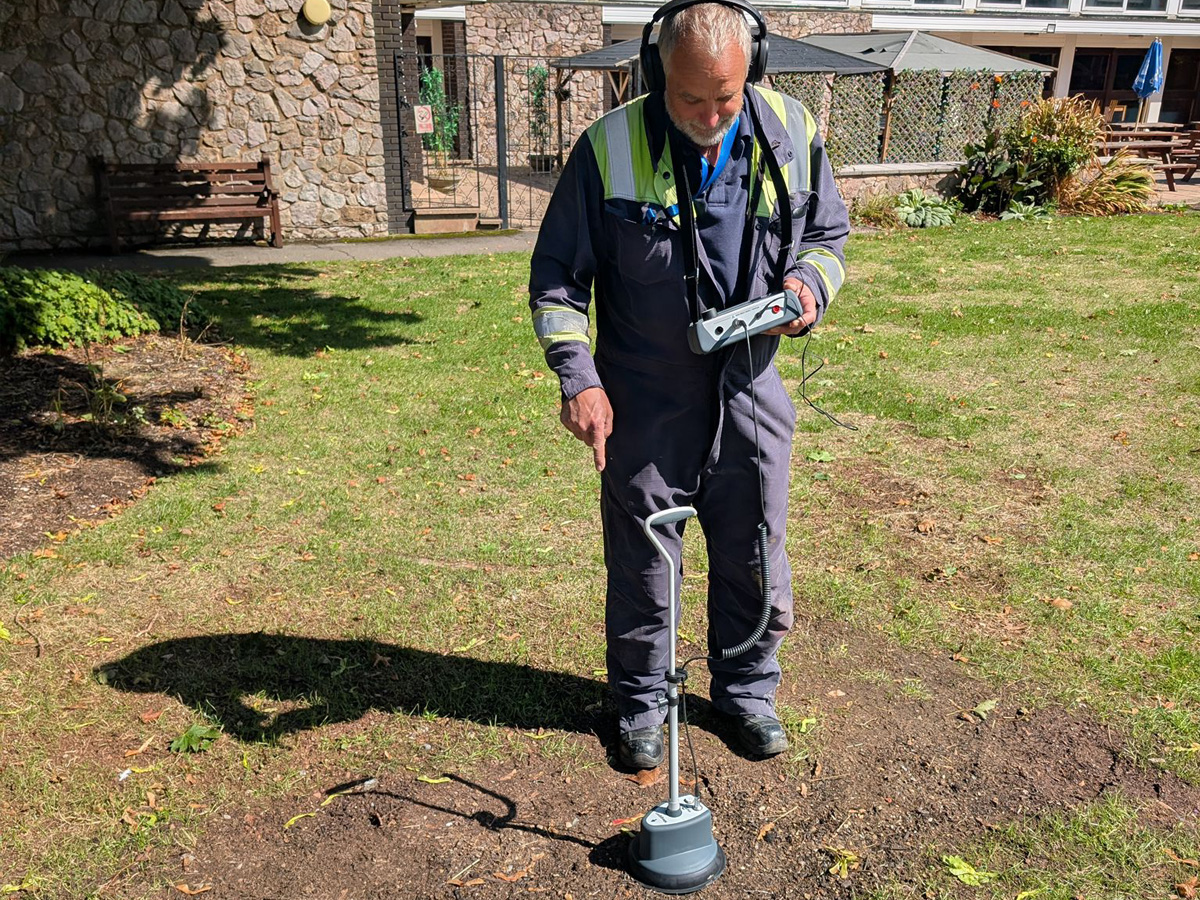
A. Acoustic Method
- Surge generator produces spark at fault.
- Ground microphone detects sound.
- Very common method.
B. Step Voltage Method
- Used for sheath faults.
- Measures voltage gradient in soil.
C. Electromagnetic Method
- Detects magnetic field from fault current.
3. Modern Equipment Used
HVPS use the most up to date apparatus as below:-
- TDR Units
- Cable Fault Locators
- Surge Generators (Thumpers)
- Cable Route Tracers
- Sheath Testers
Manufacturers include:
- Megger
- BAUR GmbH
- SebaKMT
4.Typical Fault Location Flow (Field Practice)
- Confirm fault using IR test.
- Identify fault type.
- Use TDR for initial distance measurement.
- If high resistance → use surge generator.
- Pinpoint using acoustic detection.
- Excavate and repair.